November 17, 2026
What to Do When a Fallen Tree Blocks Your Driveway After a Storm
By @safeyardliving
Assess the Situation Before You Act
When a storm has passed and you find a tree blocking your driveway, the first thing to do is stop and look. High winds can leave a tree in a dangerous state, with split trunks, hanging limbs, or roots that have torn up the ground. A fallen tree may look like a straightforward obstacle, but it often brings hidden hazards that need attention before any removal begins.
Your goal is to clear the driveway so you can get in and out, but safety always comes before speed. Take a slow walk around the tree, staying well back, and note what you see. Check if the tree has pulled up a large root ball, which can leave a deep hole and destabilize the soil around it. Look for any branches that are still attached but cracked or hanging low, as these can fall without warning. If the tree has snapped partway up the trunk, the remaining stub may be under tension and could move suddenly.
One of the most serious risks is a power line hazard. If any part of the tree is touching or resting on a power line, do not go near it. Assume every line is live. Call the utility company immediately and stay away until they say it is safe. The same goes for any gas lines that may have been damaged by the roots or the impact of the fall. A hissing sound or a smell of gas means you should leave the area and call the gas company from a safe distance.
Decide Whether You Can Handle It Yourself
Not every fallen tree needs a professional crew. A small tree or a large branch that is clear of structures, power lines, and other hazards can often be cut up and moved by a homeowner with the right tools. But for anything larger, or for a tree that has hit your house, a car, or a neighbor's property, it is wise to bring in experienced help. The same applies if the tree is leaning against another tree or is tangled in multiple limbs that make the situation unstable.
A roof impact is a good example of when to step back. A tree that has fallen onto the roof may have shifted the structure, and cutting branches while standing on a damaged roof is extremely risky. Let a professional assess the load and remove the tree in a way that does not cause more damage to your home.
If the tree is simply lying across the driveway, not touching anything else, and you have a chainsaw and know how to use it safely, you can proceed with caution. Wear proper gear: hard hat, eye protection, gloves, and sturdy boots. Clear the area of people and pets. Start by removing smaller branches that are easy to handle. Cut the trunk into manageable sections, working from the top of the fallen tree toward the base. Keep your saw chain sharp and be aware of where the tree is resting on the ground, as dirt can dull the chain quickly.
Watch for Hidden Tension
A fallen tree is rarely just lying there. Branches and the trunk itself can be under tremendous pressure, especially if the tree bent before it broke or if it is wedged against another tree or a structure. This stored energy is called tension, and it can release suddenly when you cut into the wood. A limb that springs free can injure you or damage property.
If you are not sure how the tree is loaded, or if you cannot see the full length of the trunk because it is hidden in brush, it is better to call someone who can read the forces at play. Professionals use techniques like making relief cuts and using ropes to control where each piece falls. Trying to guess the tension can lead to the saw pinching or the tree shifting unexpectedly.
Clear the Driveway Step by Step
Once you have confirmed that the tree is safe to approach, start at the part of the driveway you need most. If the tree blocks the entire width, begin at one edge and work your way across. Cut the trunk into lengths you can roll or carry. For a large trunk, you may need to cut it into rounds that are short enough to lift or roll out of the way.
As you work, keep the driveway as clear as possible. Pile brush and cut pieces to the side so you have room to move. If you have a truck or a trailer, load the debris as you go rather than leaving it scattered. This makes the job feel more manageable and keeps the area safe for anyone who needs to walk through.
Be mindful of the ground underneath the tree. The impact may have churned up mud, and the tree itself may be resting on soft soil. If the driveway is made of gravel or pavers, the weight of the tree could have shifted the surface. After the tree is removed, you may need to do some site stabilization, such as filling in the hole left by the root ball or leveling the driveway where the tree pressed down.
When to Call for Professional Help
There are clear signs that a fallen tree is beyond a homeowner's ability to handle safely. If the tree is more than a few inches in diameter, if it is tangled in power lines, if it has hit the house or another building, or if it is leaning against another tree in a way that looks unstable, call a tree service. The same goes if you are not comfortable using a chainsaw or if you have any doubt about the stability of the tree.
A professional team can assess the entire situation, including any damage to the tree's root system or the surrounding ground. They have the equipment to lift heavy sections, the training to work around tension, and the experience to remove a tree without causing further damage to your property. Many services also handle the full scope of cleanup for fallen yard trees, meaning they take care of everything from cutting and removing the tree to hauling away the debris and cleaning up the site. This can save you hours of hard work and keep your yard looking neat after the storm.
If the tree is blocking your driveway and you need to get to work or pick up kids from school, a professional service can often respond quickly. They will prioritize getting the driveway clear so you can move your vehicle, then return later to finish the full removal and cleanup.
After the Tree Is Gone
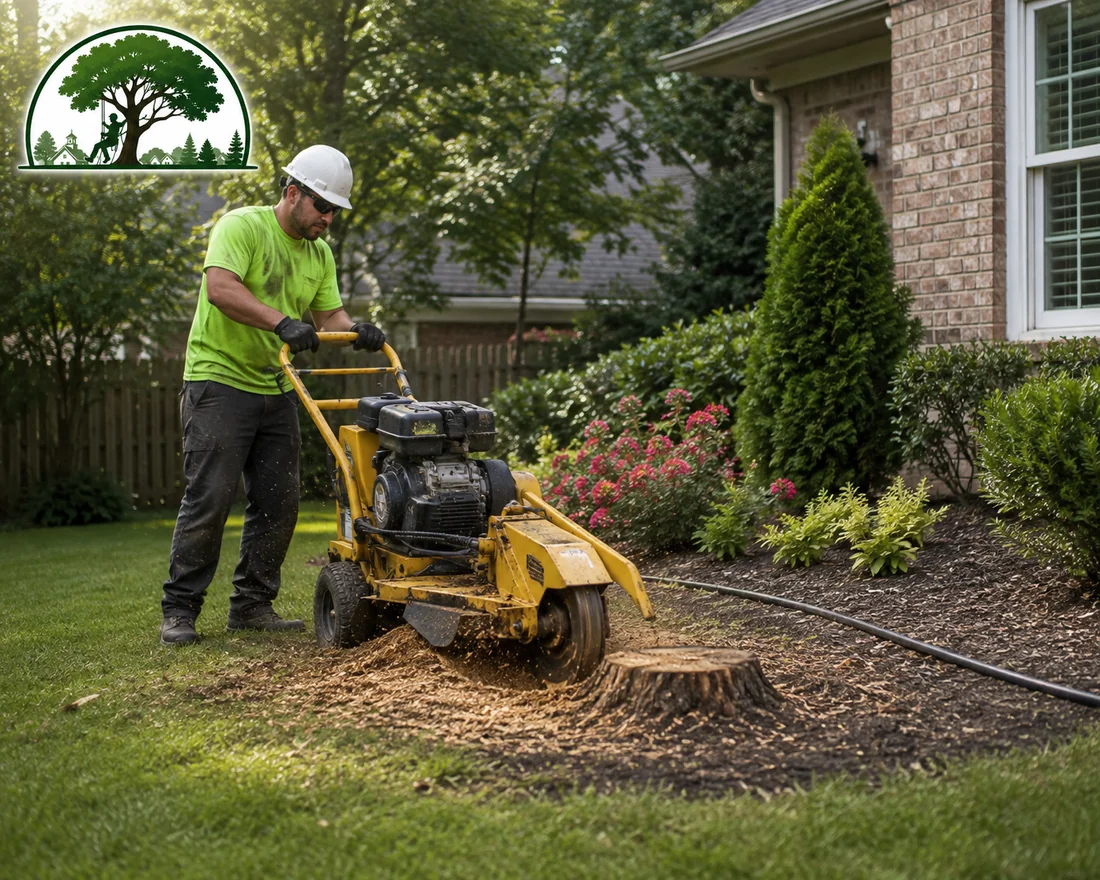
With the tree cut up and removed, your driveway is passable again, but the job may not be finished. Look at the area where the tree stood. If the roots pulled up a large section of ground, you may have a hole that needs filling to prevent erosion or to keep people and pets from stepping into it. You might also have a stump left behind. Stumps can be tripping hazards and can attract pests or sprout new growth. Grinding the stump down to below ground level is the standard solution, and many tree services offer that as part of their storm response work.
Debris from the tree, such as smaller branches, leaves, and bark, can be spread across the yard and driveway. Raking and sweeping will get most of it, but if you have a lot of brush, you may want to have it hauled away. Some people keep the wood for firewood, but be aware that storm-damaged wood can be harder to split and may contain insects. If you do not want the wood, let the removal crew take it.
Cleaning up after a storm is not just about removing the tree. It is about making your property safe and usable again. That is why many homeowners choose a full-service approach that covers the cleanup for fallen yard trees from start to finish. Having one team handle the whole process means less coordination and less worry.
Preparing for the Next Storm
Once the immediate problem is solved, take a look at the other trees on your property. A tree that fell in a storm often had underlying issues: rot, weak branch unions, shallow roots, or a lean that made it vulnerable. Walk around your yard and look for dead or dying branches, cracks in the trunk, or fungus growing at the base. These are signs that a tree may be at risk of failing in the next strong wind.
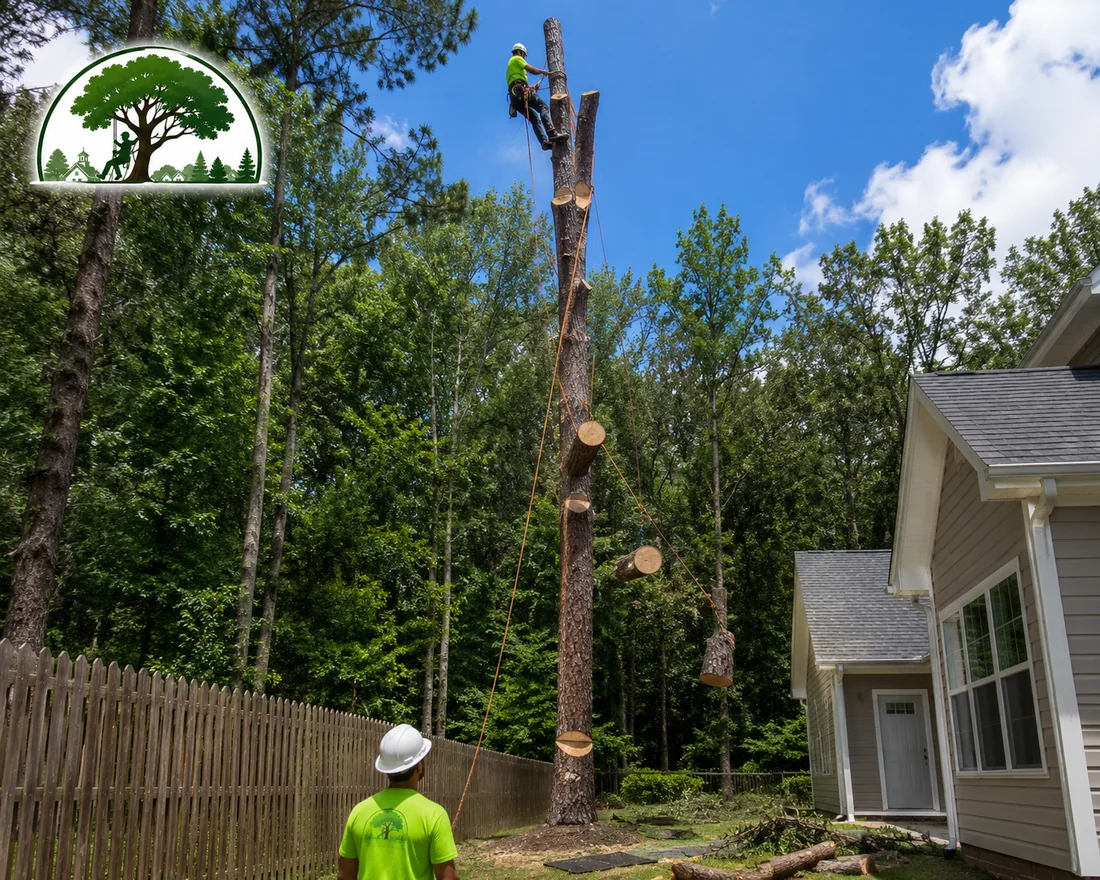
Regular trimming and maintenance can reduce the chance of a tree falling on your driveway or home. Removing deadwood and thinning out dense canopies lets wind pass through more easily. If a tree is leaning or has a split trunk, a professional can advise you on whether it should be removed before it causes trouble. A little preventive work now can save you from dealing with a blocked driveway later.
A fallen tree is never convenient, but knowing what to do when it happens can make the situation less stressful. Stay calm, stay safe, and get the right help when you need it. Your driveway will be clear, and your property will be back to normal before you know it.
❧